A decade ago, traditional marketing methods such as newspaper ads, television commercials, and roadside banners dominated how businesses reached their customers. Today, the landscape has shifted dramatically. Customers spend hours daily on their phones, browsing social media, searching Google, and watching videos — and businesses that fail to meet them in these digital spaces are quickly being left behind. Digital marketing isn’t just a trend; it is fundamentally reshaping how businesses grow, connect with customers, and compete in every industry, from local shops to global enterprises.
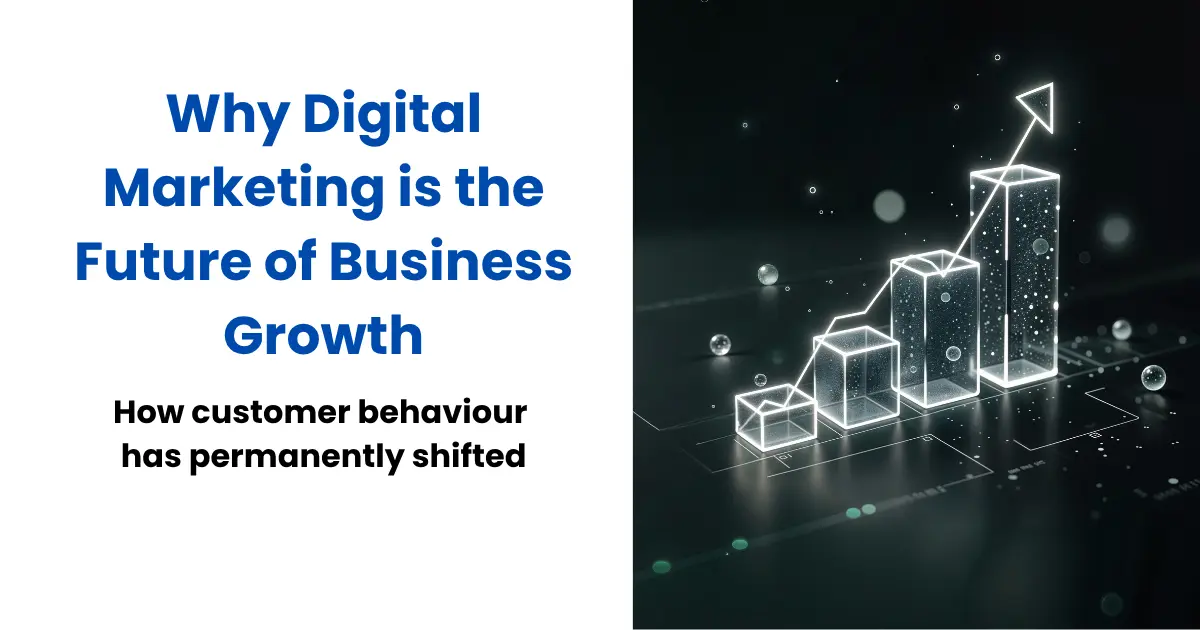
1. Customer Behavior Has Permanently Shifted Online
The way people discover, research, and purchase products has changed forever. Before buying almost anything, customers now check online reviews, compare prices on the internet, and look at social media pages to judge a brand’s credibility. This shift means that a business’s digital presence is no longer optional — it is often the very first impression a potential customer forms, long before any in-person interaction takes place. Businesses that ignore this reality risk losing customers before they even get a chance to make their case in person.
2. It Offers Unmatched Precision in Targeting
Traditional advertising, like a billboard or a newspaper ad, reaches a broad, undefined audience — many of whom may never need your product. Digital marketing, on the other hand, allows businesses to target exact demographics, interests, locations, and even purchasing behaviors. This precision means your marketing budget is spent reaching people who are genuinely likely to become customers, dramatically improving efficiency compared to traditional mass-marketing approaches that essentially guess who might be interested.
3. It Levels the Playing Field for Small Businesses
In the past, only large corporations with massive advertising budgets could achieve widespread visibility. Digital marketing has changed this completely. A small, local business with a smart, well-targeted digital strategy can now compete directly with much larger competitors, often outperforming them in specific niches or local markets by being more relevant, personal, and responsive to their specific audience’s needs.
4. Everything is Measurable
One of the most powerful aspects of digital marketing is the ability to measure almost everything — how many people saw your ad, how many clicked, how many made a purchase, and where they came from. This level of measurement was simply impossible with traditional marketing. Businesses can now make informed decisions, continuously improving their strategy based on real data rather than guessing what might be working.
5. It Enables Real, Two-Way Communication With Customers
Traditional marketing was largely one-directional — businesses spoke, and customers listened. Digital marketing, particularly through social media, has transformed this into a two-way conversation. Customers can comment, ask questions, share feedback, and engage directly with brands. This interaction builds stronger relationships and loyalty, turning customers into active participants in a brand’s community rather than passive recipients of advertisements.
6. Content Can Work for You Around the Clock
A blog post, a well-optimized webpage, or a helpful video doesn’t stop working after it’s published — it continues attracting and educating potential customers 24 hours a day, 7 days a week, long after the initial effort was made. This compounding effect means that consistent digital marketing efforts build long-term value, unlike traditional ads that stop the moment the campaign budget runs out, requiring constant reinvestment just to maintain the same level of visibility.
7. Mobile Usage Has Made Digital Marketing Essential
With the majority of people now accessing the internet through smartphones, businesses need a mobile-first digital presence to stay relevant. From mobile-optimized websites to platforms like Instagram and WhatsApp, digital marketing meets customers exactly where they already are, spending significant portions of their day, making it far more effective than trying to interrupt them through traditional channels.
8. It Adapts Quickly to Market Changes
Digital campaigns can be adjusted in real time based on performance — if an ad isn’t working, it can be paused or modified within minutes. Traditional marketing, once printed or aired, cannot be changed until the next print run or broadcast slot. This agility allows businesses using digital marketing to respond quickly to trends, customer feedback, and market shifts, staying relevant in a fast-changing business environment.
9. It Builds Long-Term Brand Value, Not Just Short-Term Sales
While digital marketing certainly drives immediate sales through tools like paid ads, its real power lies in building sustained brand recognition and trust over time. Consistent, valuable content and genuine audience engagement create a brand that customers remember, recommend, and return to — something that is far harder to achieve through occasional, disconnected traditional advertising efforts that fade from memory almost as quickly as they appear.
10. The Future Belongs to Data-Driven, Personalized Marketing
As technology continues to advance, customers increasingly expect personalized experiences — content, offers, and messaging that feel relevant to them specifically, rather than generic advertisements aimed at everyone. Digital marketing, powered by data and audience insights, is uniquely positioned to deliver this personalization at scale, which is exactly why it will continue to dominate the future of how businesses grow and connect with their customers.
Final Thoughts
The shift toward digital marketing isn’t a passing trend — it reflects a permanent change in how people discover, evaluate, and choose the businesses they support. Companies that embrace this shift, investing in genuine audience understanding and data-driven strategy, are positioning themselves for sustainable growth in the years ahead. At The Crowd Sense, we believe that the future belongs to businesses that understand their audience deeply and communicate with them in personalized, meaningful ways — rather than those relying on outdated, one-size-fits-all approaches.
If your business hasn’t yet fully embraced digital marketing, there has never been a more important time to start. The businesses building their digital foundation today will be the ones leading their industries tomorrow, while those who delay risk becoming increasingly invisible in a marketplace that has already moved online. The transition doesn’t need to happen overnight, but every step taken now compounds into a stronger, more resilient business over the years ahead.